Charting Swiss Legal Routes for Secure Payments in Portable Progressive Wins and Real-Time Gaming Tables
Nils Patterson · Oct 19, 2026
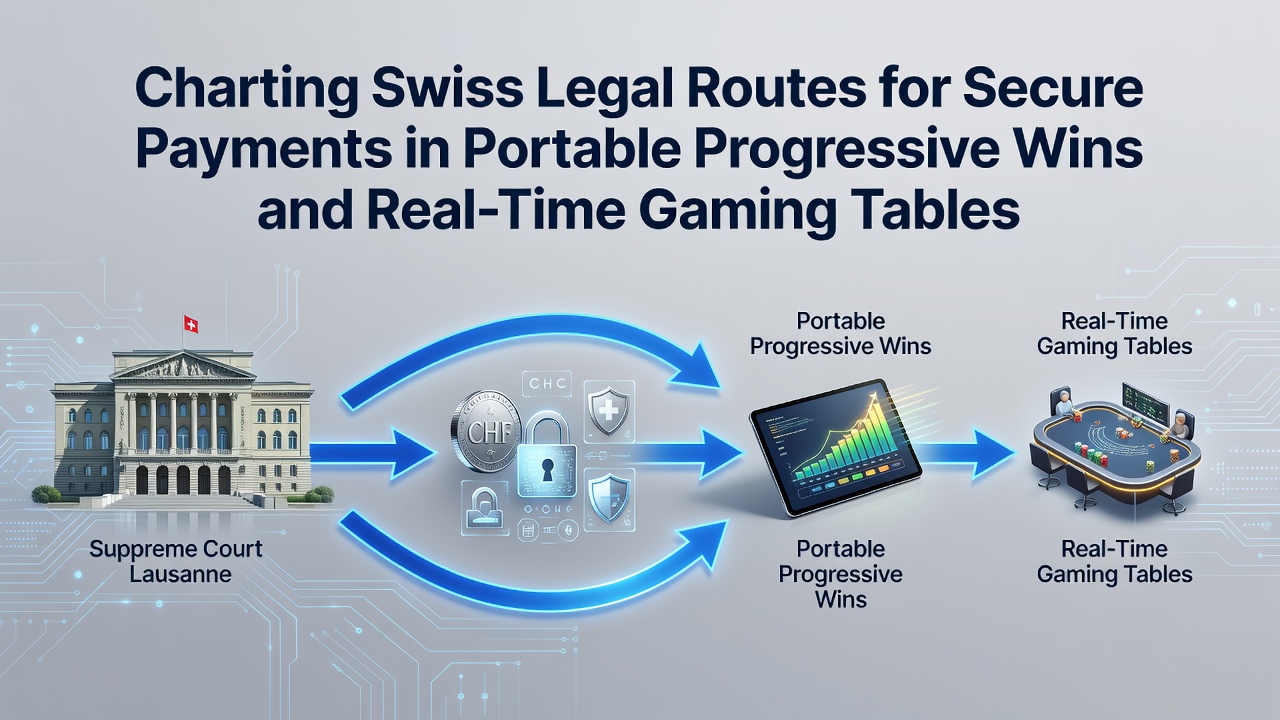
Charting Swiss Legal Routes for Secure Payments in Portable Progressive Wins and Real-Time Gaming Tables
Swiss legislation establishes clear pathways for operators handling secure payments tied to mobile progressive jackpot systems and live dealer tables, with the Federal Act on Games of Chance and Casinos serving as the primary framework since its full implementation. Licensed platforms must route all transactions through verified channels that align with anti-money laundering standards enforced by the Federal Gaming Board, while progressive wins accumulated across portable devices require segregated accounting to ensure payout integrity. Real-time gaming tables add another layer because live streams and instant bets demand continuous verification of funds before each round begins.
Legal Foundations Governing Mobile and Live Gaming Transactions
Observers note that the 2019 overhaul shifted authority to the Swiss Federal Council, which approves only domestic operators for online casino activities and bars foreign unlicensed sites from processing payments within the country. Data from regulatory filings indicate that payment processors must integrate with Swiss bank systems or approved electronic wallets that perform identity checks at the point of deposit and withdrawal. Progressive jackpot pools, often linked across multiple mobile sessions, fall under strict reporting rules that track contributions in real time to prevent manipulation. Live dealer environments require similar safeguards because bets placed during streamed sessions trigger immediate fund holds that cannot be released until game outcomes are confirmed.
Payment Security Protocols for Progressive Wins
Operators handling portable progressive wins must maintain encrypted transaction logs accessible to auditors, and regulations specify that withdrawals above certain thresholds undergo manual review within 48 hours. Figures from industry compliance reports reveal that most licensed Swiss platforms now use multi-factor authentication combined with device fingerprinting to match mobile users with their registered accounts. When a jackpot hits on a smartphone or tablet, the system automatically flags the win for cross-check against the central progressive meter before any funds move. This process reduces errors and aligns with broader European standards for digital payment traceability without relying on a single regulatory model.
Real-Time Table Standards and Transaction Timing
Live dealer tables operate under continuous monitoring rules that tie each bet directly to verified player balances, and Swiss authorities require platforms to pause play if any payment discrepancy appears. Researchers at institutions studying gambling technology have documented how instant verification tools scan for unusual patterns during peak hours, ensuring that funds tied to table games remain isolated from promotional bonuses. As October 2026 approaches, scheduled refinements to the verification timeline will shorten the window for dispute resolution on live bets from 72 hours to 36 hours across all licensed providers. These adjustments build on existing infrastructure that already supports secure mobile access while preserving the separation between progressive slot mechanics and table game accounting.
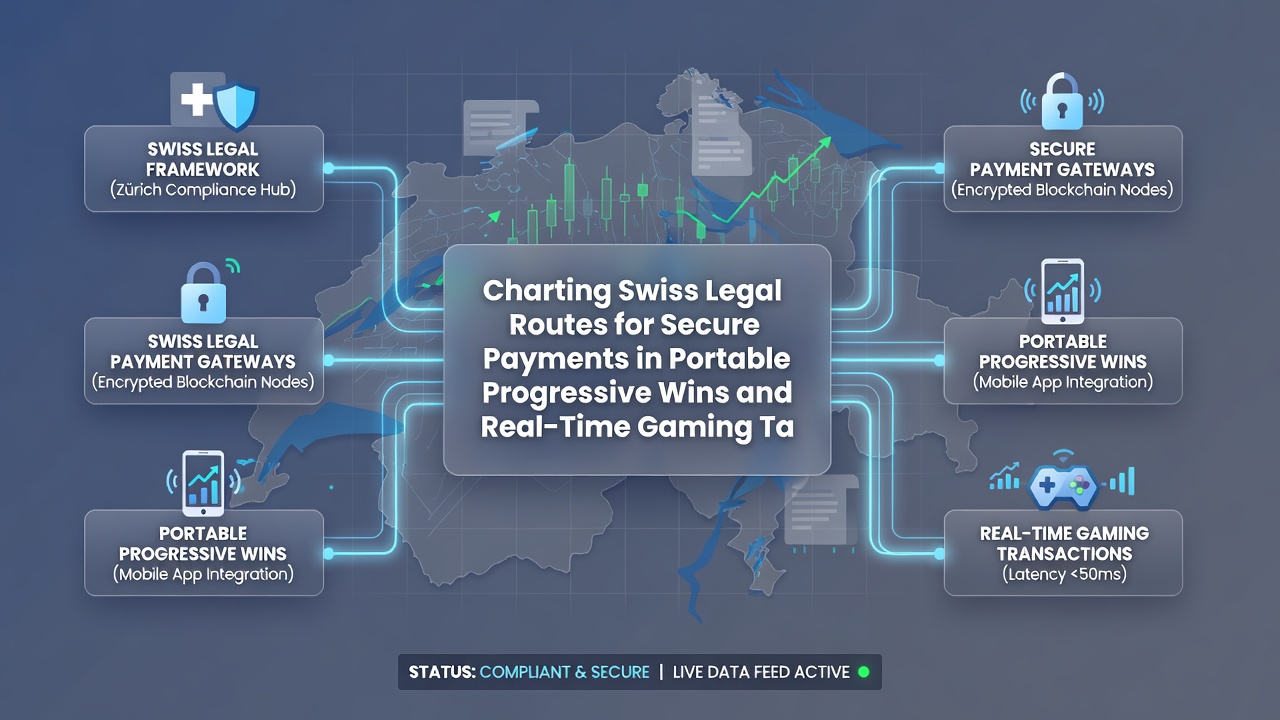
Payment routes must also accommodate cross-border elements when players use international cards, yet all final settlements route back through Swiss-licensed financial intermediaries. Industry associations emphasize that real-time tables cannot accept deposits from unverified sources, which forces operators to implement pre-authorization holds that clear only after identity confirmation. Progressive wins add complexity because the prize pool spans thousands of mobile sessions, requiring automated reconciliation that feeds directly into the regulatory reporting portal maintained by the Federal Gaming Board.
Compliance Mechanisms and Emerging Updates
Those who monitor Swiss gaming markets point to annual audits that examine both payment flow diagrams and the cryptographic security protecting mobile jackpot data. External reviews by independent testing labs confirm that random number generators feeding progressive meters meet ISO standards before any live deployment. One study released by a European research consortium examined transaction latency across live tables and found that Swiss platforms maintain average confirmation times under three seconds when using approved e-wallet partners. Such performance metrics support the legal requirement for uninterrupted play while still allowing immediate flagging of suspicious activity.
Additional guidance issued in recent years clarifies that operators must store all progressive win records for a minimum of five years, with digital copies available for instant retrieval during inspections. Mobile applications undergo separate certification that verifies both the user interface and the backend payment gateway before public release. Live dealer studios located inside Swiss casinos face extra scrutiny because physical cameras and card shufflers integrate with the same financial systems used for online bets.
Conclusion
Swiss legal structures continue to evolve around secure payment handling for portable progressive systems and real-time tables, with the Federal Gaming Board coordinating updates that keep transaction integrity at the forefront. Licensed operators follow documented routes that combine bank-level encryption, identity verification, and automated reconciliation to manage both jackpot payouts and live game settlements. As refinements scheduled for October 2026 take effect, the emphasis remains on maintaining transparent records that satisfy both domestic law and international expectations for responsible financial conduct in digital gaming environments.